The Greatest-Hits Wardrobe: Why a Three-to-Five Look Uniform Is a Design System, Not a Rut
There’s a certain flex in buying a new outfit for every plan. But the most design-forward people I know wear a version of the same thing most days. Not because they’ve given up, but because they’ve figured something out: repetition is a design choice. A personal uniform—three to five repeatable outfits that feel like you—is not a creativity failure. It’s a system. And systems are what let style become daily instead of occasional.
The Case for the Repeat
We tend to treat novelty as the proof of style. New season, new silhouette, new color story. But look at anyone whose wardrobe feels distinct and you’ll usually find repetition: the same jacket shape, the same trouser break, the same palette. The difference is that the repetition looks intentional. It reads as a signature, not a rut.
A three-to-five look uniform does the same thing for your closet that a good layout does for a room. It gives the eye a place to rest. It makes the good stuff stand out. And it removes the low-grade decision fatigue that turns getting dressed into a chore before 8 a.m.
Find Your Greatest Hits, Not Your “Best” Clothes
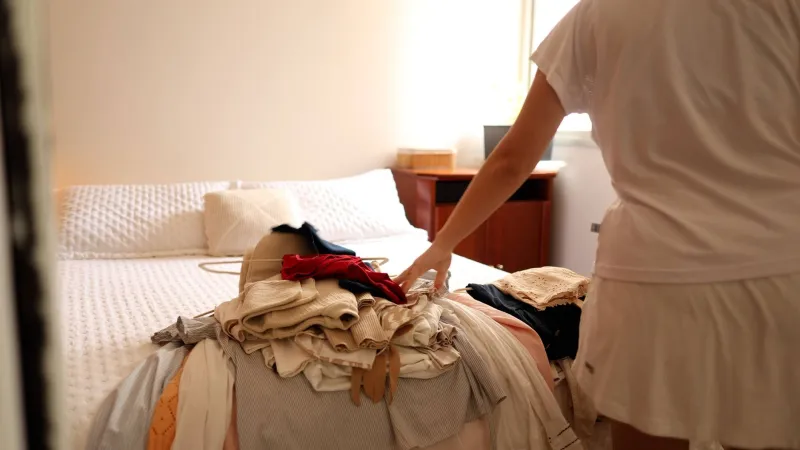
Start with what you actually wear. Not the aspirational pieces, not the things that fit the life you think you should have. The real ones. For two weeks, keep a note of the outfits you reach for when you have ninety seconds and need to feel like yourself.
Look for patterns: a specific jean rise, a certain sleeve length, a color that makes you look awake. Photograph the outfits that work. Then ask yourself why they work. Is it the proportion? The fabric? The fact that you can sit on the floor in them? Your greatest hits are data, not nostalgia.
Edit Like a Collection
Once you have three to five candidate outfits, treat them like a small collection. A collection isn’t a pile of random pieces; it’s a set of ideas that talk to each other. Check the through-lines. Maybe your uniform is a straight-leg pant, a knit polo, and a chore jacket. Maybe it’s a slip skirt, a crewneck, and a flat boot. Maybe it’s wide-leg trousers and a button-down, twice in different fabrics.
The edit is where the design happens. Remove the version that needs constant fussing. Keep multiples of the tee that actually works. If one outfit only functions with a specific bra and a specific pair of shoes, it’s not a uniform—it’s a commitment. Let it go.
Make Accessories the Seasonal Dial
The point of a uniform is not to wear the exact same thing every day. It’s to have a base that lets you change the mood quickly. Accessories are the dial. Same outfit, different belt. Same outfit, different earring. Same outfit, a scarf in a color you’d never wear head-to-toe.
This is where repetition stops feeling stale. You’re not repeating an outfit; you’re re-editing it. A leather tote versus a canvas one. A sleek loafer versus a chunky boot. A cap versus a silk scarf. Small swaps read as intention because the base is consistent.
Use Light and Routine as Styling Tools
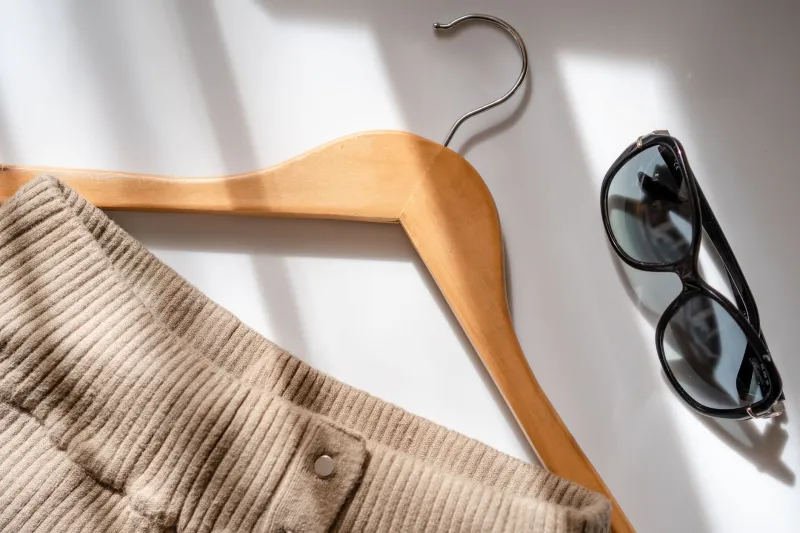
We talk about outfits as if they exist in a vacuum, but they don’t. Light changes how fabric reads. A navy knit looks flat under office fluorescents and rich in morning window light. Your routine changes how the outfit feels, too. Laying clothes out the night before is not a boring habit; it’s styling yourself in advance.
Try a simple routine: set out the uniform the night before, check the weather, and choose one accessory that makes the look feel current. Keep your repeat pieces clean and ready. A uniform only works if it’s actually available when you need it. Maintenance is part of the design.
The Freedom of a Finished Formula
A uniform doesn’t make you less creative. It gives your creativity a place to go. When the base is solved, you can spend your attention on the parts that matter: the fit, the texture, the one interesting shoe, the way you show up. Repetition becomes a kind of confidence. You stop auditioning new versions of yourself every morning and start refining the one that already works.
That’s the most design-forward move there is: knowing what you like, wearing it well, and letting the repetition read as a choice. Build your three-to-five look collection. Edit it hard. Change the accessories. Turn on better light. Then wear your greatest hits on loop—and look like you meant it.