The Exit Line: Five Winter Outfits With a Strong Three-Quarter View
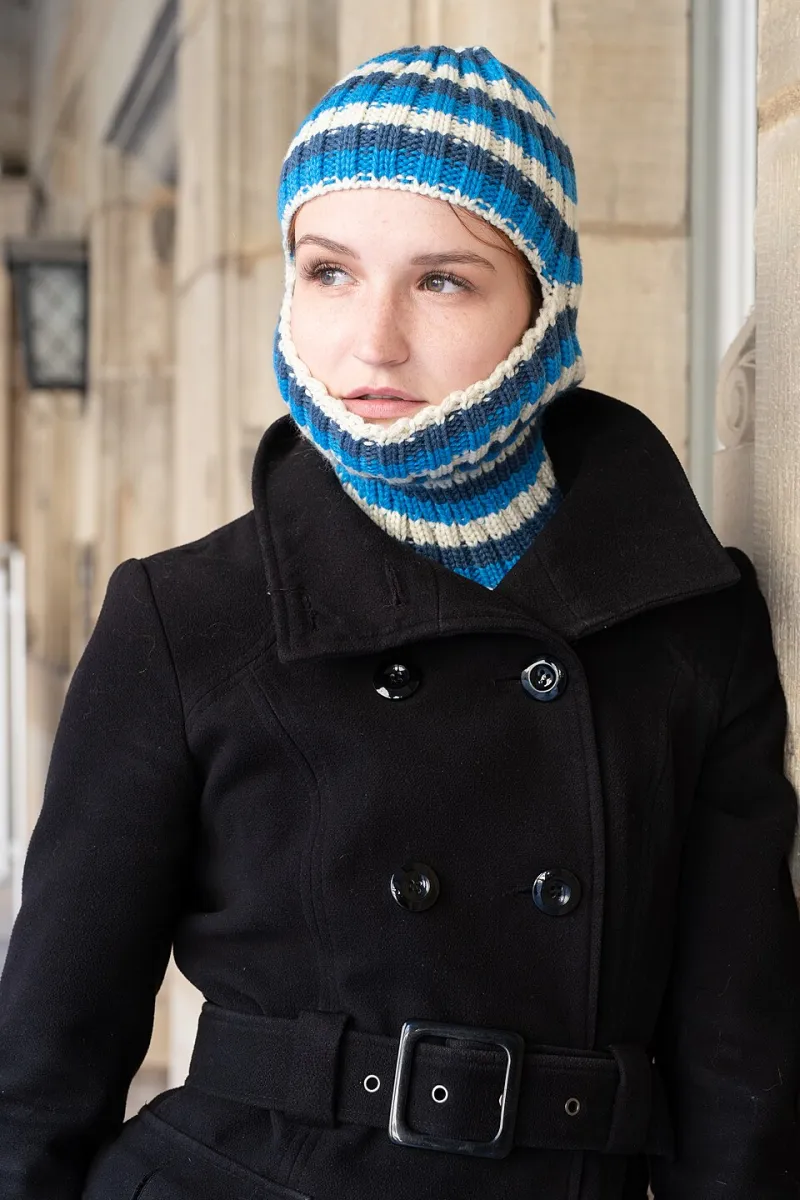
Photo: Tobias ToMar Maier, CC BY-SA 3.0, via Wikimedia Commons
There is a moment every winter outfit has to survive. You have checked the front mirror, fixed the collar, and decided the sweater works. Then you turn to leave, and the outfit keeps going without you. The coat hem swings, the scarf tail trails, the bag strap cuts across your back, and the boot shaft meets the hem of your trousers. That is the three-quarter turn, and it is where a lot of good outfits quietly fall apart.
Think of it as the exit line. Not the last thing you see in the mirror, but the last thing everyone else sees when you head out the door. In winter, that view carries more weight than usual because so much of the look is outerwear. The back of the outfit is not an afterthought. It is the plot twist.
The Three-Quarter Turn, Explained
The front of a winter outfit is mostly about fit and color near the face. The back is about architecture. You are looking at vertical lines: the center back seam of a coat, the fall of a scarf, the strap of a bag, the shaft of a boot. You are also looking at movement. A hem that hits at a useful spot will swing cleanly. A scarf that is too short will bunch. A bag that sits too high will interrupt the line of a coat. None of this needs to be fussy. It just needs a little intention before you walk out.
A simple test: stand with your back to a full-length mirror and turn your head over one shoulder. That is your three-quarter view. If the lines look calm and the proportions make sense, you are done. If something looks tangled, you have time to fix it.
Look One: The Commute Coat With a Clean Back
Start with a long coat that skims rather than grabs. A straight or gently tailored wool coat in charcoal, camel, or navy gives you a strong center line. Add a scarf in a loop rather than a long drape if you are getting on a train or bus, because a loop stays put and keeps the back of the coat readable. If you prefer a drape, let one tail hang slightly longer than the other so it looks intentional rather than accidental.
For the bag, choose a crossbody with a slim strap and let it sit at the small of your back or just above the hip. A bulky tote on one shoulder can fight the coat line, especially in a crowded commute. Boots should meet the hem with a little breathing room. A knee-high boot under a mid-calf coat creates a clean vertical break. If the coat is longer, a chelsea boot or a low block heel keeps the lower leg from looking heavy.
Hair matters here because the back of a winter coat frames it. A low ponytail or a loose bun keeps the collar area clear. If you wear your hair down, tuck the front pieces behind your ears so the scarf and coat collar do not swallow the shape.
Look Two: The Holiday Visit With a Finished Shoulder Line
Holiday visits are their own category of winter dressing. You are indoors, then outdoors, then indoors again, and you are often carrying something: a bottle of wine, a tin of cookies, a host gift. The back view has to handle all of it.
Try a shorter wool jacket or a cropped puffer over a fine-gauge sweater. The shorter hem gives you a clear waistline from behind and keeps you from looking like one long block when you are standing in a doorway. Pair it with straight-leg trousers and a boot with a defined shaft. If you are wearing a scarf, choose a square silk or a soft wool bandana tied close to the neck. Long tails are lovely, but they can look messy when you are balancing a plate.
For the bag, a small shoulder bag that sits under the arm is better than a big carryall. It leaves your hands free and keeps the back of the jacket visible. If you are the one bringing the cookies, use a structured tote and keep the strap short so it does not swing across the coat. A hair clip or a low twist works well here, especially if you are taking off a hat indoors.
Look Three: The Long Day in a Belted Coat
Some winter days are one long coat day. You leave in the dark, come home in the dark, and the coat is basically your outfit. A belted wrap coat is the easiest way to make that feel designed. From the front it looks polished. From the back, the belt gives you a waist and the hem gives you movement.
Keep the scarf simple: a long rectangle folded once and tucked under the belt, or a close-fitting knit collar. A trailing scarf plus a belt plus a bag strap is too much architecture in one place. Choose one vertical to lead. If the belt is the main event, keep the bag strap thin and the scarf short. If the scarf is the main event, skip the belt and let the coat hang straight.
Boots should be practical but deliberate. A riding boot or a weatherproof tall boot keeps the lower half clean. If you are in a colder part of the country, a shearling-lined boot can work as long as the shaft is not too wide. The goal is a back view that looks like a column, not a pile.
Look Four: The Weekend Errand Outfit With Movement
Weekend errands are where back-view dressing gets casual. A puffer, a beanie, a sling bag, and a pair of boots can look great from behind if the proportions are right. The trick is to avoid too many short horizontal lines. A cropped puffer over a longer sweater creates one line at the hip. A hip-length puffer over leggings creates a different line at the thigh. Pick one and keep the rest quiet.
A sling bag or a small backpack is useful here because it sits close to the body and leaves your hands free for coffee, keys, and a grocery basket. Just check where the strap lands. If it cuts across the widest part of the puffer, adjust the length so it sits higher or lower. A beanie should cover the top of the ear but not pull the whole head shape down. If you have long hair, a low braid or a claw clip keeps the back of the neck from looking crowded.
Look Five: The Evening Layer That Still Reads From Behind
Evening winter outfits often get built around the front: a nice neckline, a bit of shine, a darker lip. But if you are wearing a coat to dinner, the back of the coat is part of the look. A short wool coat or a tailored topcoat over a slip dress or dark trousers gives you a clean exit line. Add a small clutch or a mini shoulder bag, not a work tote. Keep the boot shaft narrow and the heel low enough to walk.
If you want one bit of drama, put it behind you: a low back detail on the dress, a scarf tied at the nape, or a hair pin that catches the light. Just do not stack all three. The back view should look like a decision, not a display.
The Last Look Before You Leave
Before you grab your keys, do the three-quarter turn. Check the coat hem, the scarf tail, the bag strap, the boot shaft, and the back of your hair. Fix one thing if it needs fixing. Then leave it alone. A good winter outfit does not need to be perfect from every angle. It just needs to hold its line when you walk away.